
académie de l’entrepreneurship


View our menu


Menu
Customer Favorites
These are some of our most popular Afghan dishes. Loved by our guests and made fresh every day.
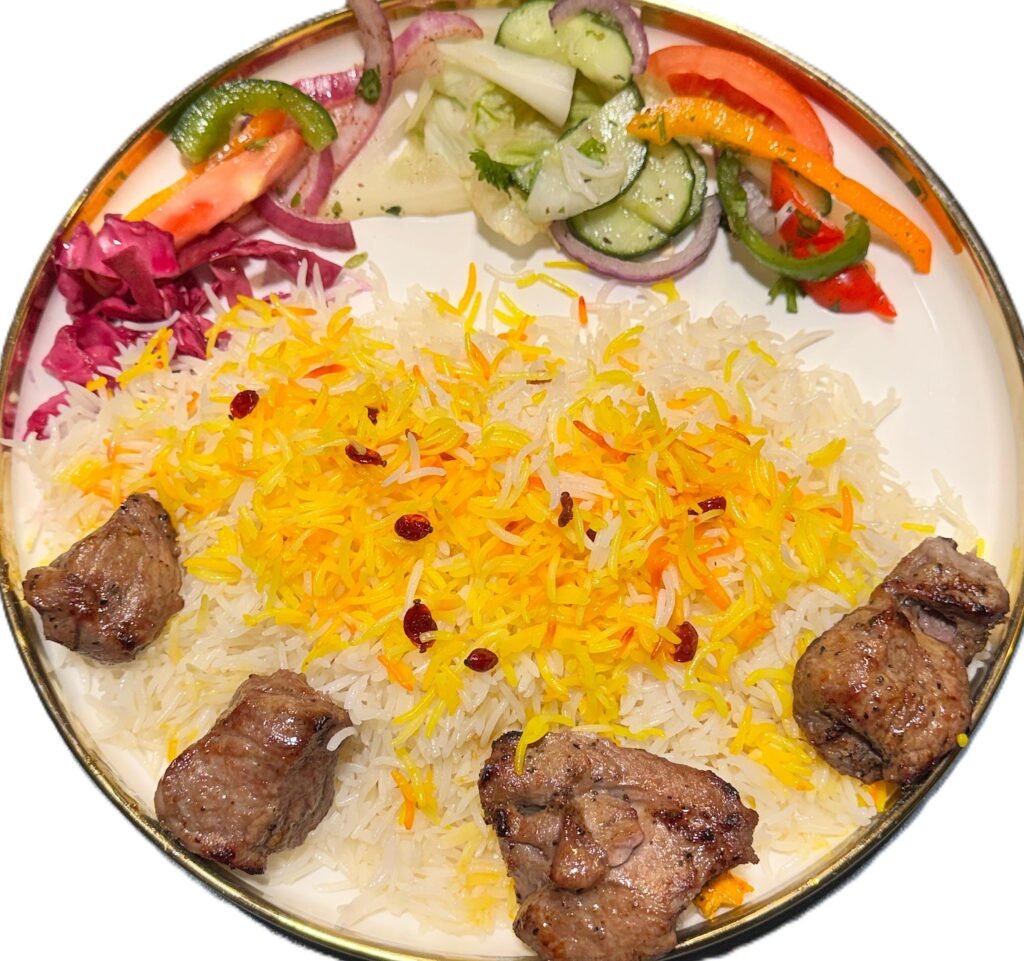
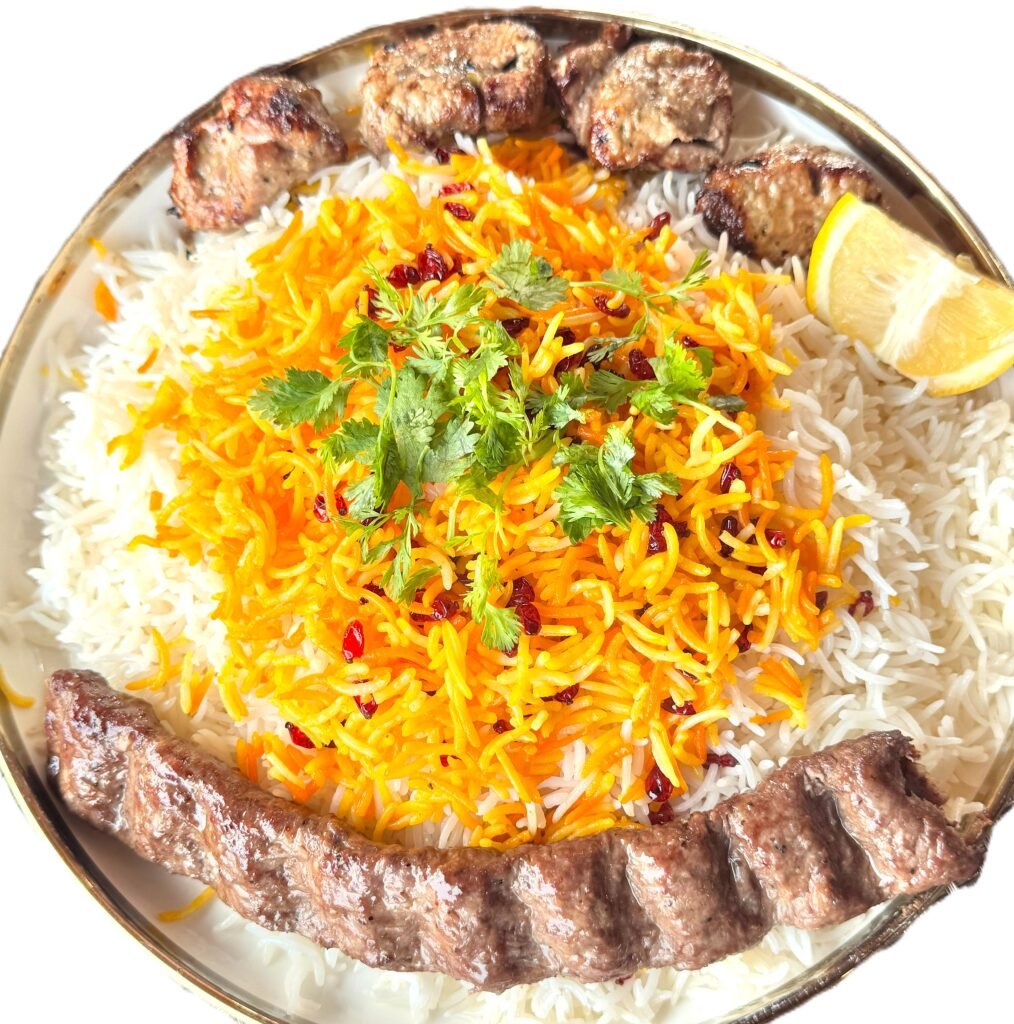
Rice With Lamb
$16.50
Afghan Dumpling (Mantu)
$14.99
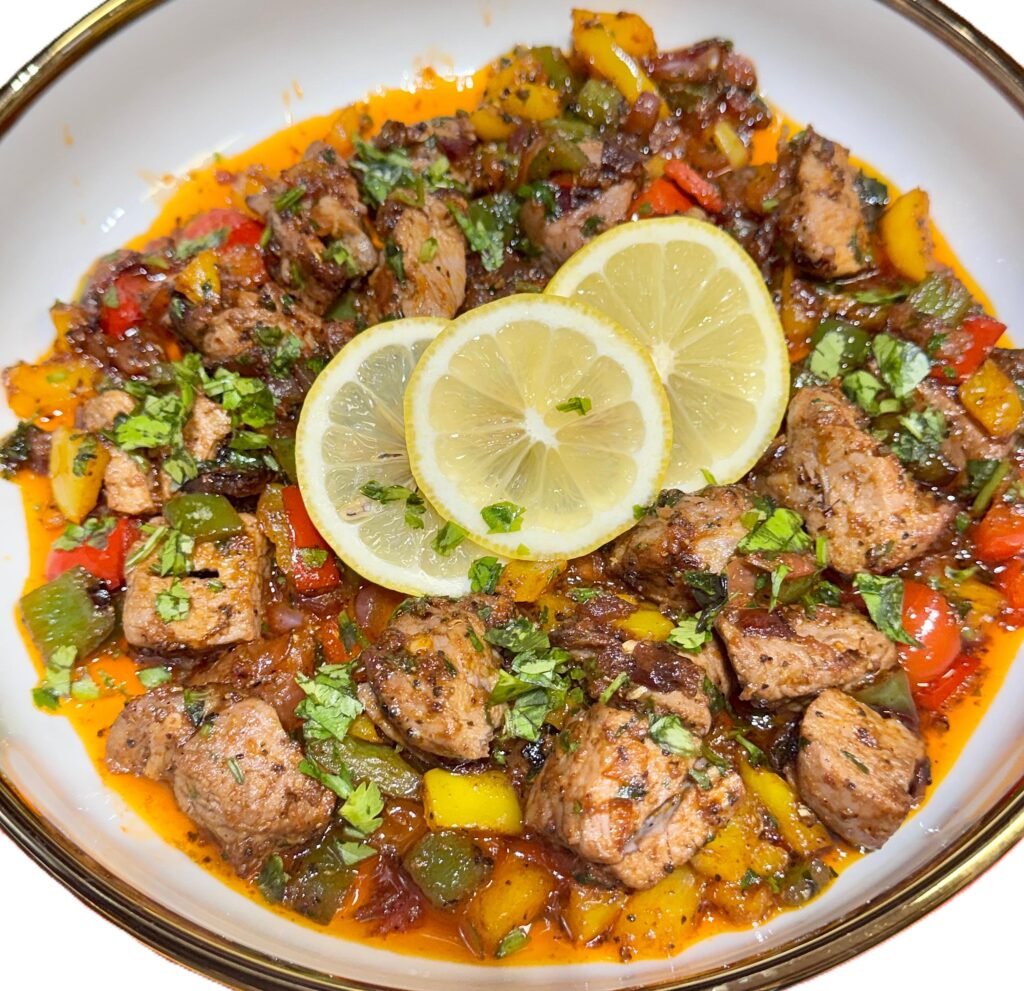
Lamb Karahi
$29.99
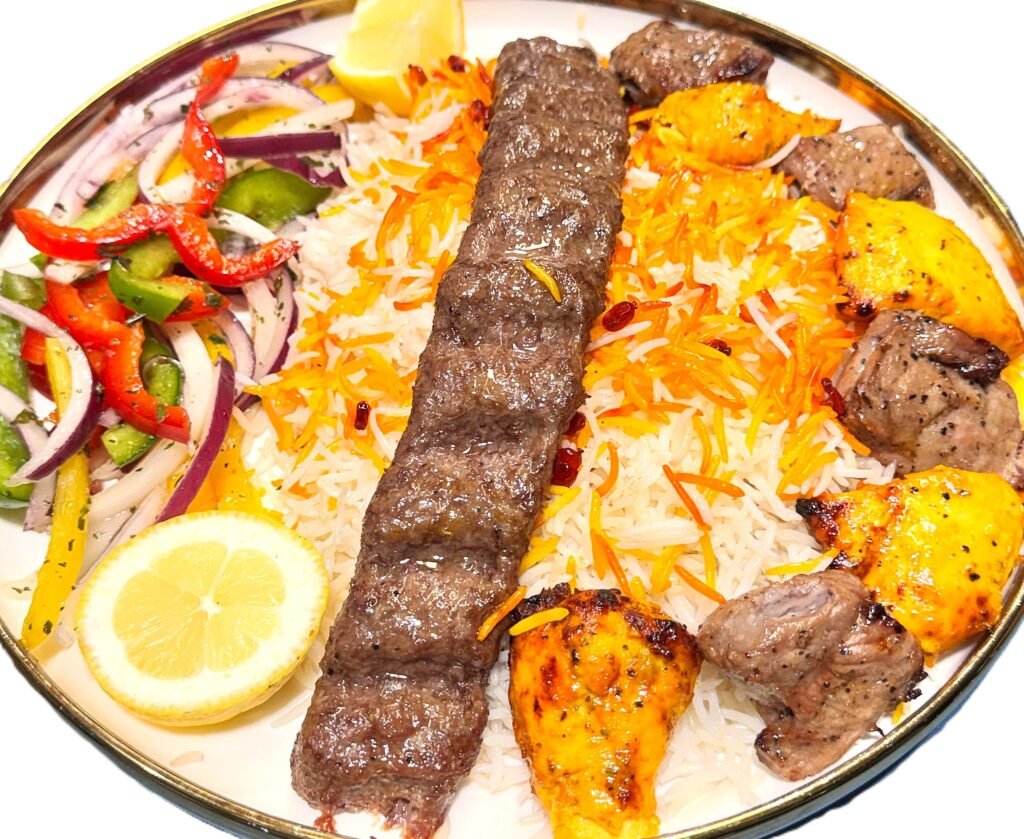
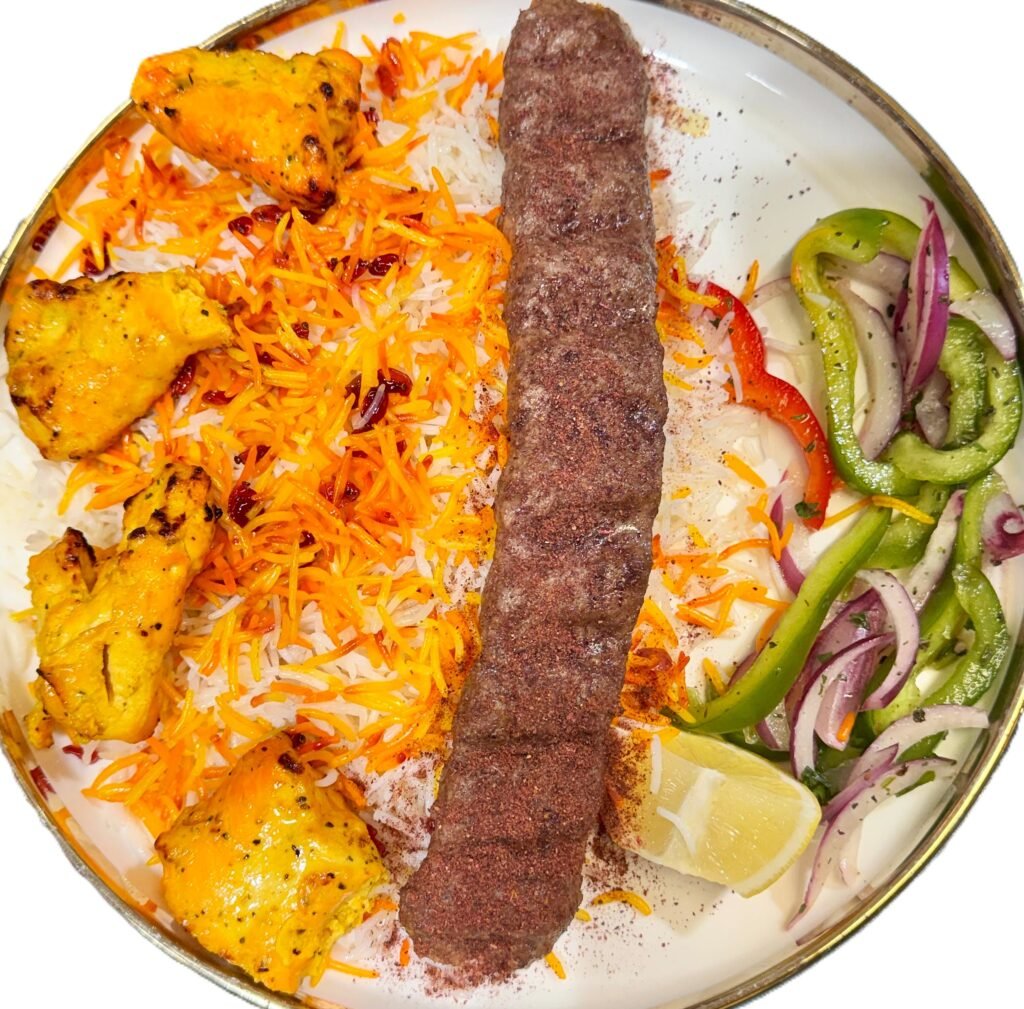
Mixed Kabob (Lamb, Chicken and Ground Beef)
$26.20
Qabuli Palaw With Mahicha (Lamb)
$24.50
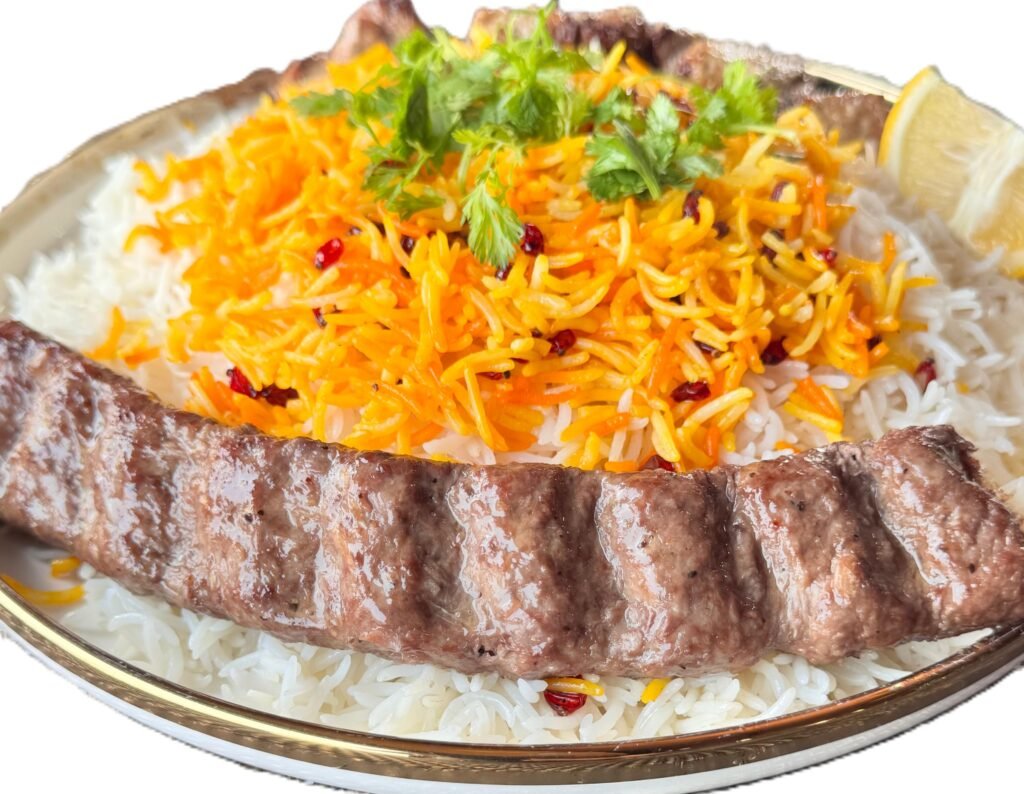
Grounded Beef Kabob
$18.90
Ground Beef and Chicken Kabob
$19.50
Ground Beef and Lamb Kabob
$19.50
Traditional Afghan Cooking
Our food is made the traditional Afghan way. We use fresh ingredients, slow cooking, and family recipes passed down for generations. Every dish is prepared with care and full of flavor.
- Fresh ingredients, cooked daily
- Traditional Afghan spices
- Family recipes
- Halal food
A Warm and Welcoming Place
Amu Kitchen is more than a restaurant. It is a place where friends and family come together. Enjoy a calm space, friendly service, and food that feels like home.
- Friendly and welcoming staff
- Comfortable dining space
- Perfect for families and groups
- Takeout and dine-in available
Ready to Enjoy Authentic Afghan Food?
We look forward to welcoming you. Dine in, take out, or order online. Reservations are recommended, especially on weekends.
Clear demonstrations are essential when a concept is difficult to understand because they turn abstract rules into observable steps. In education, a strong illustration should define the task, show the reasoning behind each decision, and make the final result easy to verify. A worked calculation becomes more instructive when the test dataset includes ordinary values as well as a boundary case, revealing how the method behaves under different conditions. The surrounding explanation should also distinguish the general rule from details that apply only to that particular scenario, so readers can adapt the lesson rather than copy it mechanically. Tables, brief annotations, and before-and-after comparisons often improve clarity, especially in technical subjects where small changes in inputs can produce different outcomes. Used carefully, practical demonstrations support independent thinking while keeping the original idea precise, transparent, and easy to revisit.